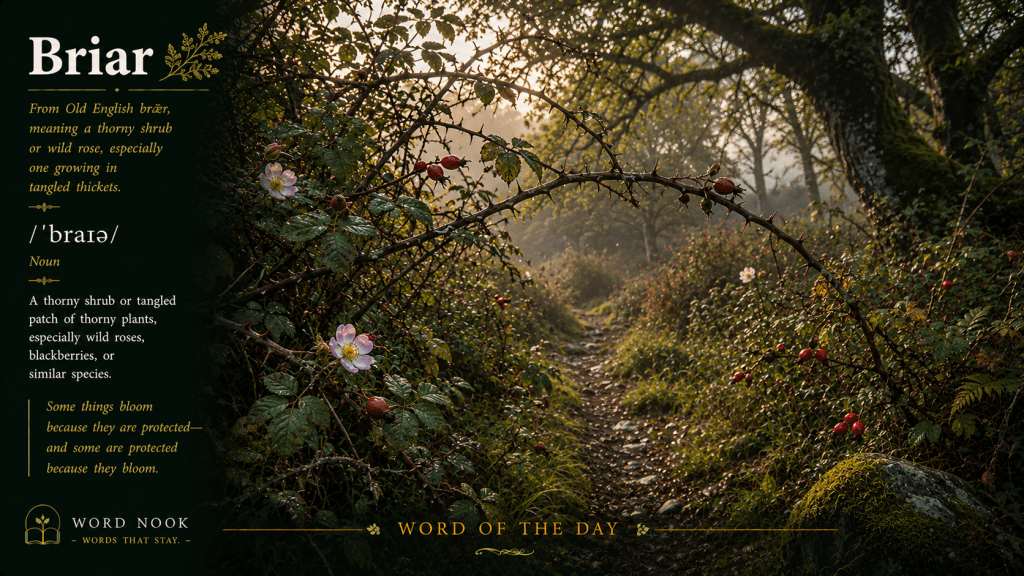
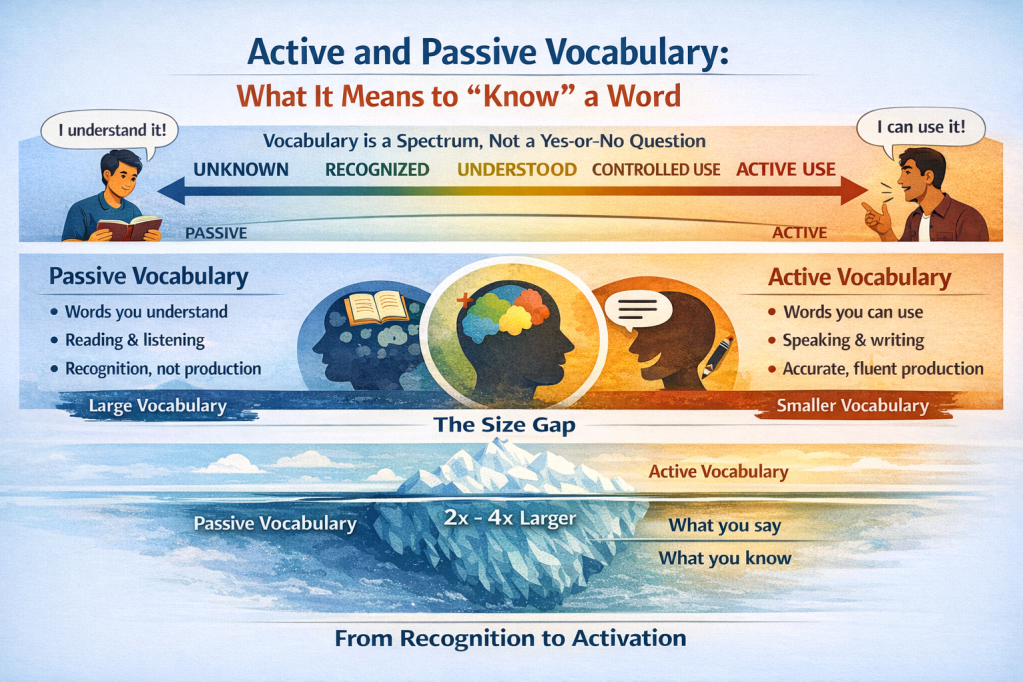
2025 showed how language mirrors change. New words named digital fatigue, gentle restarts, and emotional nuance, while older terms returned with fresh meaning. Across English and Spanish, vocabulary slowed, softened, and crossed borders, helping people process complexity, connection, and intention. Words didn’t chase reality; they shaped how it was lived.



Origin:
From Latin fasces (“bundle”), entering English antiquarian usage in the 16th century.
Definition:
A bundle of rods, often with an axe, symbolizing collective authority and justice.
Example:
“The fasces represent strength through unity.”
Proclamation of the Roman Republic (1849)
When English Learned to Speak the Language of Modern Revolution
On this day — February 9, 1849, the Roman Republic was proclaimed, briefly replacing papal rule in Rome. Though short-lived, the event reverberated across English political writing, becoming a reference point in discussions of republicanism, sovereignty, and national self-determination.

In 19th-century English prose, the Roman Republic was frequently invoked in essays, speeches, and historical analyses concerned with revolution, liberalism, and the struggle between church and state. It entered the vocabulary of nationalist writing, shaping how English authors framed debates about constitutional governance and popular legitimacy.
Its cultural legacy in English historical discourse lies in the symbolic power of Rome itself. Writers used the episode to reflect on cycles of empire, reform, and collapse, reinforcing English as a language deeply engaged with continental political transformations. On this day, the Roman Republic reminds us how events beyond Britain and America nonetheless helped shape the tone and substance of English political thought.
In the British English vs. X section, we’ll explore how English varies across regions, including American, Scottish, Indian, Australian, and more, giving you a deeper understanding of the language’s diversity.
Your Language Learning Recap
Catch up on the last three monthly reviews, where English and Spanish learners alike can find everything they need to stay on track.
From grammar tips to captivating stories, vocabulary builders, and engaging readings, these wrap-ups have it all.
Plus, if you want to explore even more, you can click here to check out reviews from previous months!